
The Project
The St Giles Quarter development by Simten, is an ambitious high-quality urban neighbourhood in central London. The masterplan incorporates sustainable workspace, retail and new homes, including much-needed affordable housing, within a collection of new and carefully restored heritage buildings, all set within a carefully considered landscape.
Project Details

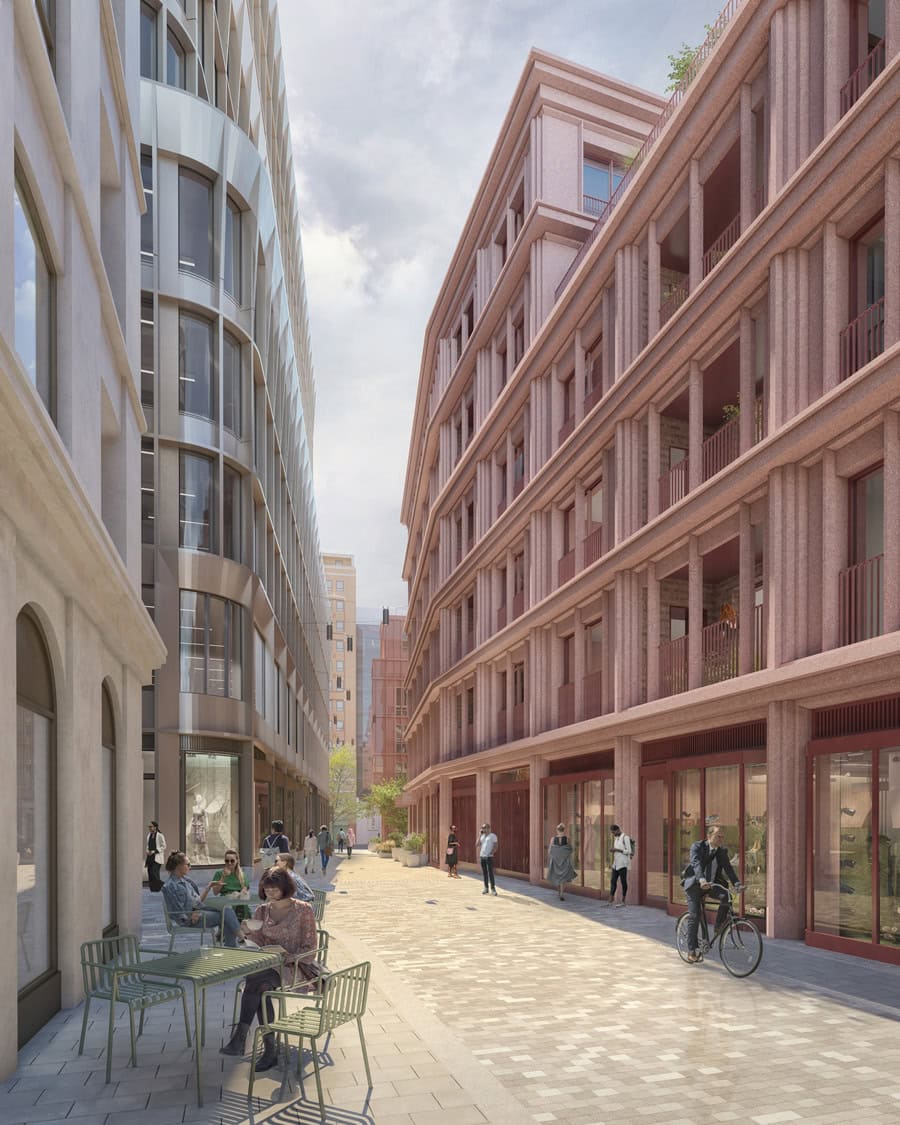
The five hectare site bounded by High Holborn, Museum Street and New Oxford Street, will benefit from increased transport capacity and wider connectivity due to the opening of Crossrail. An existing car park and redundant hotel will be redeveloped to provide a new office-led 19-storey tower at One Museum Street.
Three other buildings on Museum Street, New Oxford Street and West Central Street will be remodelled to provide new homes, with retail and community spaces at ground floor to activate the streetscape and contribute to a vibrant new community.

A new pedestrian route - Vine Lane – will encourage activity and permeability through the site and is part of a package of benefits for the wider community including cycling facilities, new community and public space and enhanced public realm. The whole development is targeting BREAM Outstanding.
“This is an opportunity to transform this largely derelict site in central London into a dynamic site which can be enjoyed for many years to come.”
Eleanor Wright / Simten
Development Associate


Our Role
Veretec, working in partnership with DSDHA, were commissioned from Stage 3 to advise on technical and compliance issues and help de-risk the project prior to planning. Early stage interventions included the redesign of the three residential buildings, which previously shared a basement, as separate and independently serviced.
Sensitive to its surroundings including a number of Grade II listed buildings, the architectural response has been informed by a detailed understanding and analysis of the historic context.


The project is the latest in a number of collaborations with DSDHA, marrying deep specialisms in design and delivery for a smoother transition between work stages on complex projects.
The project is on site and is due for completion in 2028.
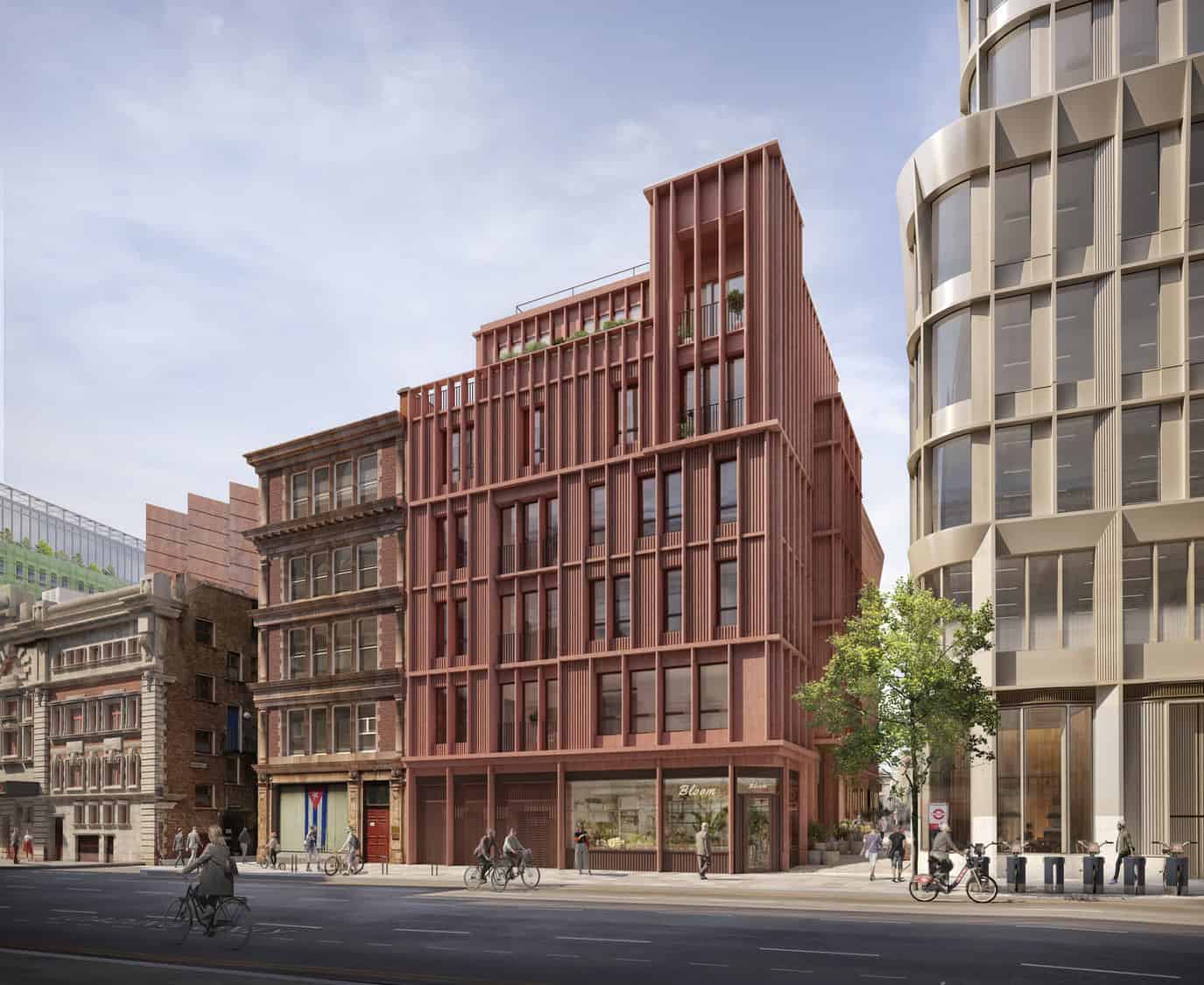 Image Credit: DSDHA