The Compliance Gap Nobody Wants to Own: EV Charging in Buildings

29.07.26 Thinking Piece

Thinking Piece by Nadine Barake.


I was on a call recently where someone asked, quite reasonably, “what’s our fire strategy for the charging bays?” And the room went quiet in that specific way rooms go quiet when everyone has an opinion, but nobody has a document to point to.


That’s not a one-off. That’s more or less where the industry sits right now on EV charging and fire safety, and I don’t think it gets said plainly enough. Approved Document S is clear that new buildings with parking need charging infrastructure. Approved Document B on the other hand, the document that actually governs whether a building is safe in a fire, hasn’t caught up with what that infrastructure means. So you end up with two documents that are, technically, talking about the same car park, but not really talking to each other.
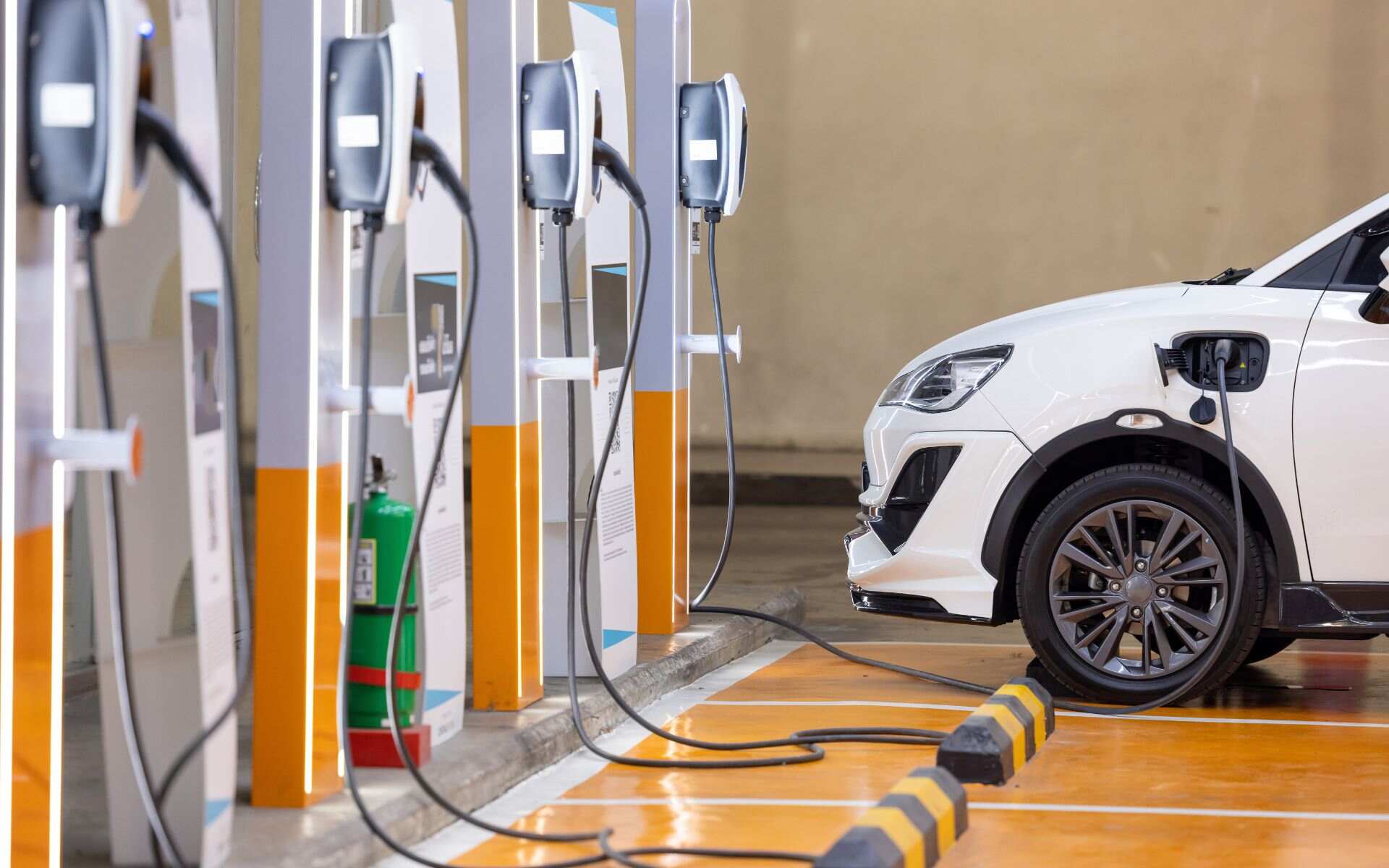
Why this isn’t just a technicality

The car park fire scenario that underpins current guidance in ADB, was written around a handful of vehicles , burning in a fairly predictable way. That was a reasonable assumption once. Alas, It’s not the vehicles we’re designing around now: Lithium-ion battery fires run longer, they’re harder to put out, and they can reignite after they look extinguished. We’ve already seen headlines like “Uk firefighters called to one lithium-ion battery fire every five hours”, London Fire Brigade LFB, announced in April 2026 that Fires involving lithium batteries are the fastest growing risk in London, and more recently during the heatwaves those fires have multiplied furthermore. All this make it super clear that the gap between the guidance and the reality is hard to ignore.


Which means, when a fire engineer puts forward a strategy for internal Electrical Charging, they’re not really applying a standard. They’re building one, specific to that building, and then having to defend it on it’s own merits. That’s a different kind of exercise to most Building Regs work, and it changes what “acceptable” actually has to mean in practice.

What’s actually being proposed, in the absence of anything Settled

A few things keep coming up, time after time.


Ventilation modelled around how a battery fire actually behaves, not the standard car park assumptions. Suppression pushed to higher hazard categories than you’d specify for conventional vehicles—and even that’s not universally agreed to be enough. Fire resistance Compartmentations that assume hours rather than minutes. Monitoring and isolation built into the charge point itself, so you’re not relying on someone noticing a fault before it becomes one. And last but not least a Management Regime behind it all –inspection, maintenance, training – That’s actually written down and owned by someone, not assumed to happen.


None of these are radical on their own. What’s changed is that now you have to justify the combination of them, in writing, for a building that doesn’t have a rulebook to lean on.

What is important to understand

I’m wary of anyone who treats one measure as the answer. A sprinkler on it’s own. A ventilation upgrade on it’s own. That’s usually where the risk actually is. – in the confidence that one good decision covers the gap. What we want to see, and what tends to slow things down, is a team that can tell us: here’s the basis we’re designing to (life safety, or life safety and property protection, because insurers and occupants don’t always want the same thing), here’s how the passive, active and management pieces actually work together, and here’s what happens when the guidance moves and this needs revisiting.


That last part is the one people tend to underrate. This area is genuinely still moving – consultations open, amendments landing, standards being rewritten while the ink’s still wet on the last version. A strategy that can only survive as long as nothing changes isn’t much of a strategy.

The Part that’s uncomfortable to say out loud

We’re asking buildings to do something we’re still working out how to characterise properly, ahead of the regulations finishing the job of deciding how it should be done. I don’t think it’s anyone’s fault, exactly – you don’t want a rushed answer baked into a statutory document just for the comfort of having one. But it does mean the responsibility, for now sits with the people designing this and the people checking it, to hold a standard the guidance can’t yet hand us outright.


It’s not a comfortable place to be. But It’s probably where the actual work gets done.