Reflections from UKREIIF: viability, regulation and the changing shape of residential delivery

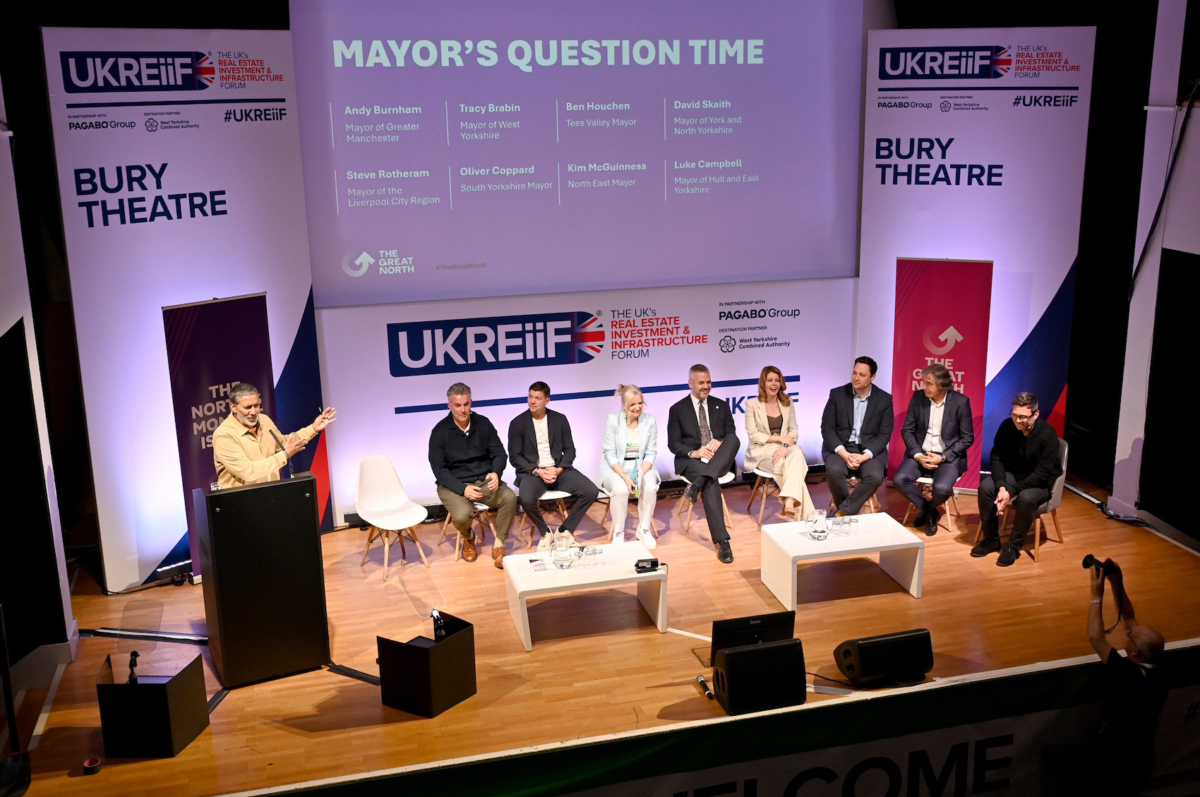 Images by Architecture Today.
A month since our team attended the UKREiiF Conference in Leeds has had Veretec Director – Sangeeta Shenoy – reflecting on her experience there, which is also a broader reflection on the residential sector at this time.
This year’s UKREIIF felt strongly weighted towards the residential sector, with a significant presence from local authorities, housebuilders, registered providers and housing associations. The tone, however, was not uniform. While there was clear appetite for delivery, the outlook on pipeline and market confidence was mixed.
The word that seemed to dominate the conference was viability. Funding remains important, but the wider concern appears to be whether schemes can realistically come forward in the current market, particularly against the combined pressures of construction costs, regulation, sales risk and planning uncertainty. There was a sense that many new schemes may not meaningfully progress until later in the year, with broader geopolitical and economic stability continuing to influence confidence.
Regulation was another recurring theme. A number of legacy schemes are being pushed towards Gateway 2 ahead of the introduction of the Building Safety Levy on 1 October. This is creating a short-term pressure point across the sector, particularly for teams needing to demonstrate that information is sufficiently coordinated, robust and aligned with the expectations of the Building Safety Regulator.
It was also clear that the role of the Building Regulations Principal Designer is becoming more established across the industry. That said, there remains a gap between awareness and full implementation, particularly for clients and project teams still adapting to the practical implications of the Building Safety Act. This presents an opportunity for technically experienced practices to provide early, strategic support rather than simply respond once issues arise.
From a fee and delivery perspective, Stage 5 services continue to be a point of tension. With construction-stage demands becoming harder to predict, some practices appear to be moving towards time-charge arrangements to manage risk, rather than absorbing open-ended obligations within a fixed fee. This feels like a pragmatic response to a more complex delivery environment.
Perhaps the most notable shift was in the type of residential product being discussed. Large-scale private sale apartment schemes appear to be facing real headwinds, with co-living increasingly viewed as one of the more viable residential models outside of registered provider and housing association-led delivery. More interesting still is the way co-living is being positioned in some quarters as part of the affordable housing conversation, helping to unlock funding routes and land opportunities that may not otherwise have been available.
Overall, the conference reinforced that the residential market is not standing still, but it is changing shape. The opportunities are there, but they sit in a more selective, technically demanding and viability-led environment. For those involved in delivery, the ability to navigate regulation, programme, risk and affordability will be central to bringing schemes forward over the next few years.
Thinking Piece by Sangeeta Shenoy